
Explore the complex dynamics of Jueteng, a popular yet controversial numbers game in the Philippines, while drawing similarities to global gambling trends, including the rising influence of 7KACAI: Brasil.
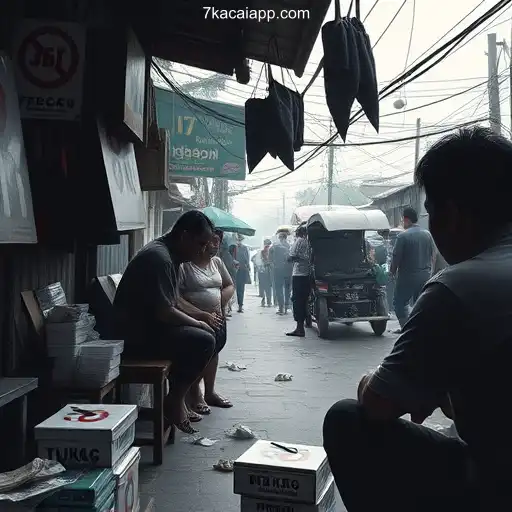
The Intricate World of Jueteng and Its Parallels with Global Gambling
Jueteng is a longstanding numbers game in the Philippines that holds a unique place within the country's cultural and social landscape. Its origins date back to the colonial era, and over the years, this traditional form of gambling has woven itself into the fabric of Filipino life so profoundly that it continues to persist despite various efforts to eradicate it.
Understanding Jueteng
Jueteng is essentially a form of illegal lottery, similar in concept to the legal lotto systems found worldwide. However, what distinguishes jueteng is its unregulated nature and the grassroots way in which it operates, making it particularly popular among the lower socio-economic classes in the country. Players, locally known as "bettors," select a combination of two numbers ranging from 1 to 37, placing small bets on their chosen numbers with the hope of striking it lucky.
The widespread appeal of jueteng can be attributed to various factors. Primarily, it is accessible to a vast majority, with minimum bets as low as one peso, thus appealing to those for whom conventional gambling may be out of reach. Furthermore, jueteng is deeply ingrained in community activities, often organized by networks that also serve other social functions, creating a sense of unity and shared interest.
The Economic Impact
For many, jueteng extends beyond mere gambling; it is an economic pillar. The informal network that administers the game often provides direct and indirect employment to thousands, from the cobrador (collector) to the kabo (coordinator). This economic ecosystem often sustains areas where formal employment opportunities are scarce, leading to a dependency on its existence.
Although touted by some as a benign enterprise, jueteng’s operation can lead to economic distortions. The lack of regulation means potential for corruption and exploitation, creating challenges that shadow the legality and fairness prevalent in systems like 7KACAI: Brasil, where slots, crash games, live casinos, and sports betting are available within a regulated and transparent framework.
Jueteng and Legal Gambling: Parallels and Contrasts
The allure of gambling is universal, transcending geographic and cultural boundaries. As societies have modernized, so too have the forms of gambling offered to patrons around the world. 7KACAI: Brasil exemplifies the leap toward digital and platform-based gambling, offering a myriad of games accessible online, a contrast to jueteng’s manual and localized approach.
One stark parallel lies in the perception of gambling as a source of entertainment and potential financial gain. In both jueteng and organized platforms like 7KACAI: Brasil, players are driven by the thrill of the game and the chance to multiply their wagers. Moreover, both systems invoke significant emotional and psychological responses, which operators leverage to sustain player interest.
Legal and Societal Implications
Jueteng operates in a legal gray area, often tolerated due to its socio-economic integration and political ties. This informal acceptance, juxtaposed with sporadic government crackdowns, creates a volatile environment for bettors and organizers. In contrast, platforms like 7KACAI: Brasil thrive under legal regulation, ensuring player protection, fair play, and secure transactions, aspects typically absent in jueteng operations.
The societal implications are significant in both cases. Whereas jueteng is often scrutinized for its potential encouragement of vice and exploitation among low-income communities, modern gambling platforms face similar criticism but are shielded by regulations aimed at responsible gaming and player education. This highlights the necessity for a balanced approach, where the benefits of gambling can be enjoyed without compromising ethical considerations.
The Way Forward
The persistent presence of jueteng in the Philippines underscores the complex relationship between cultural tradition and economic need. It illustrates the challenges faced by governments and communities in addressing informal economies that operate outside official legal frameworks. For global systems like 7KACAI: Brasil, the challenge lies in balancing innovative gaming experiences with the ethical responsibility inherent in offering such services.
As the world increasingly embraces technology in all facets of life, the gambling industry, too, must evolve. Jueteng offers valuable lessons in understanding the human element of gambling—the community, the thrill, the hope—and how these elements can be preserved in modern, regulated systems. Ensuring sustainable and ethical growth in gambling requires harmonizing tradition with modernity, ensuring that platforms are both responsible and engaging.