Introduction to Shogun
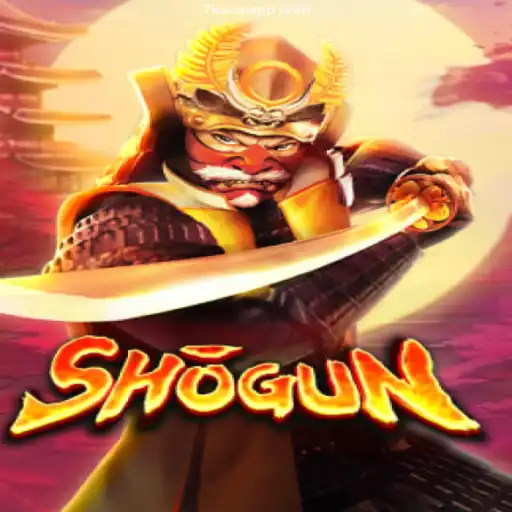
Shogun is a captivating strategy game that transports players into the heart of feudal Japan. It's a rich tapestry of tactical warfare, political intrigue, and territorial conquest. Players must harness their strategic acumen to emerge as the ultimate military leader, the Shogun. Unlike traditional games, Shogun combines elements of diplomacy, strategy, and warfare, offering an immersive experience for gamers worldwide.
The Essence of Shogun
Set during the tumultuous Sengoku period, a time marked by social upheaval, military conflict, and political intrigue, Shogun challenges players to navigate these complexities with skillful tactics. The game's core is about managing resources, building alliances, and expanding your dominion through well-planned conquests. Players assume the role of daimyo, powerful regional lords, each vying for control over Japan.
Gameplay Mechanics
Board and SetupShogun is played on a map representing various provinces of feudal Japan. Each player begins with a set number of territories, a small army, and resources. As the game progresses, players must strategize the placement of their armies and alliances, balancing offensive and defensive moves.
Phases of PlayThe game unfolds in several phases, each requiring careful planning and execution. These include the Diplomacy Phase, where alliances are formed; the Recruitment Phase, where armies are bolstered; and the Action Phase, where players execute maneuvers such as battles and espionage. A successful Shogun must excel in each of these phases to maintain control and exert dominance.
Combat and StrategyCombat in Shogun relies on a combination of unit strength and strategic positioning. Battles are resolved using dice rolls, simulating the chaos and uncertainty of real warfare. Players must consider troop placement, terrain advantages, and opponent weaknesses to gain the upper hand. This strategic depth is what attracts seasoned gamers who crave a complex tactical experience.
Shogun and Modern Gaming Trends
The resurgence of interest in strategic board games has been fueled by a broader gaming trend that includes digital platforms such as slots, live casino games, and sports betting. Players who enjoy games like 7KACAI: Brasil - Slots, Crash, Cassino ao Vivo e Apostas Esportivas are often drawn to Shogun due to its strategic depth and historical context. These games, while differing in execution, share a common appeal in their demand for strategic thinking and risk management.
The Cultural Impact of Shogun
Historically, the figure of the Shogun looms large within Japanese culture, symbolizing both the power and fragility of political leadership. The game captures this cultural essence, drawing players into a world where decisions have far-reaching consequences. This cultural resonance is a significant part of its appeal, offering players a chance to explore history while engaging in a challenging and rewarding gameplay experience.
Shogun in the Context of Current Events
In light of recent global events, many turn to immersive games like Shogun as a form of escapism and mental engagement. The rise in online gaming streams and virtual tournaments highlights this trend, with Shogun gaining traction among digital communities. Furthermore, the game's focus on strategy and leadership is particularly relevant in today's fast-paced, changing world, appealing to those interested in honing their strategic and decision-making skills.
Conclusion
Shogun remains a staple for enthusiasts of strategic gaming, offering a compelling mix of historical context and interactive gameplay. Whether aligned with traditional board games or digital counterparts such as 7KACAI: Brasil - Slots, Crash, Cassino ao Vivo e Apostas Esportivas, Shogun delivers a rich, engaging experience that challenges both the mind and the imagination.